Featured
Pricing Honesty to Avoid Can Be Fun For Everyone
Table of Contents
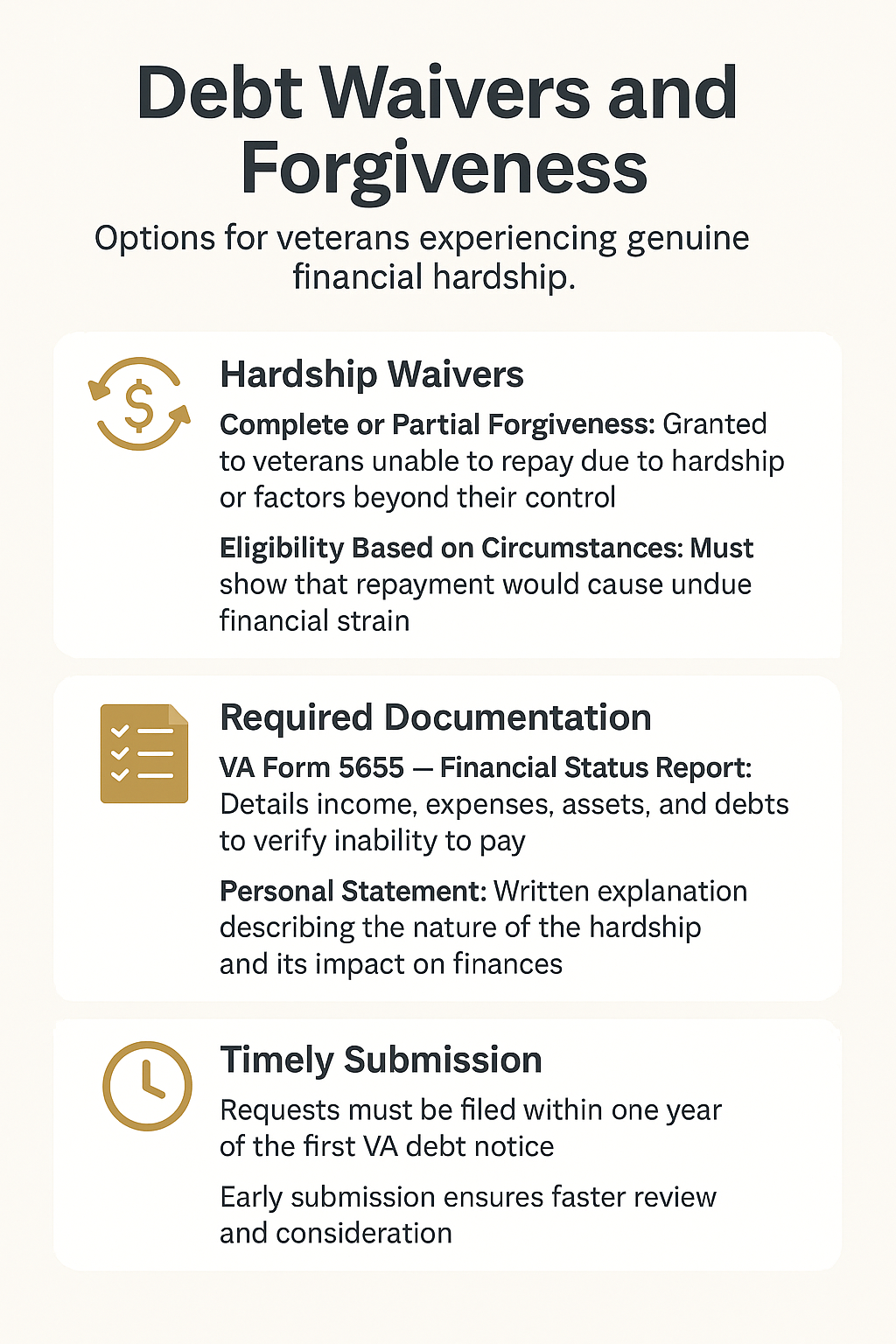
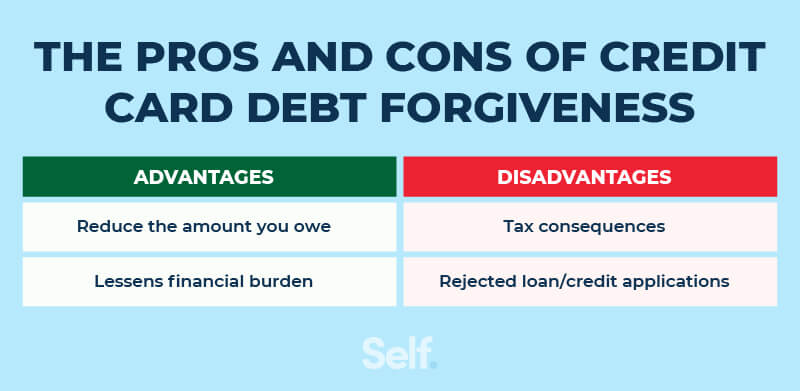
That frees up money in the short-term, and you may have 3 to four years to save toward the negotiation quantity. Very unsafe to credit rating, mostly due to missed out on repayments and an unfavorable "settled" mark that could stay on your credit scores report for as much as seven yearsMay be only alternative if other alternatives (financial debt consolidation, equilibrium transfer credit report cards, debt mercy) aren't possibleTypically calls for a charge to the 3rd celebration, which might counter some or every one of the cost savings from financial debt settlementMay assist you avoid personal bankruptcy if you've missed several paymentsNot all creditors collaborate with financial debt settlement companies Financial debt forgiveness might be ideal for you if you are experiencing an economic hardship that makes it nearly impossible to pay down your financial debt equilibriums.
With a DMP, you make one regular monthly settlement to the credit therapy firm. Those funds are then distributed to creditors of your unprotected financial obligations, such as bank card and installment loans. The agency deals with your financial institutions to lower rate of interest or waive costs, but some financial institutions might reject such giving ins.
It can help you pay down financial debt if you're able to protect a car loan rate that's reduced than the typical price of the accounts you're consolidating. You have to avoid from racking up debt on those newly cleared accounts or your financial debt could grow also greater.
That provides you plenty of time to remove or substantially minimize your equilibrium while making interest-free settlements.
The Ultimate Guide To Starting Assessment and What to Expect
You might need it if your creditor or a collection firm ever before tries to accumulate on the financial debt in the future. When a lending institution forgives $600 or more, they are needed to send you Form 1099-C.
Financial debt mercy or settlement usually hurts your credit report. Anytime you settle a financial obligation for much less than you owe, it might appear as "settled" on your debt record and affect your credit rating for 7 years from the day of negotiation. Your credit can additionally go down substantially in the months causing the forgiveness if you fall back on payments.
5 Easy Facts About Does Debt Forgiveness Right for Your Family Shown
This circumstance typically results from underreporting income, not submitting returns on time, or discrepancies found throughout an IRS audit. The effects of gathering tax obligation financial debt are serious and can include tax liens, which give the Internal revenue service a lawful claim to your residential or commercial property as safety and security for the debt.
Wages and Bank Accounts Internal revenue service can levy (seize) earnings and bank accounts to please the financial debt. Home Seizure In extreme situations, the Internal revenue service can seize and offer property to cover the financial obligation.
Social Stigma Dealing with lawful activity from the Internal revenue service can lug social stigma. Work Opportunities An inadequate credit report score due to exhaust financial debt can limit work opportunities. Government Benefits Tax obligation financial debt may affect eligibility for federal government advantages, such as Social Security and Medicaid.
10 Simple Techniques For Steps for Begin with the Debt Forgiveness Journey
The OIC considers a number of elements, consisting of the taxpayer's revenue, costs, asset equity, and capability to pay. Effectively negotiating an OIC can be complicated, calling for a detailed understanding of the internal revenue service's guidelines and a solid debate for why your deal aligns with your capacity to pay. It's vital to note that not all applications are accepted, and the procedure calls for in-depth financial disclosure.
The IRS examines your overall economic scenario, including your income, costs, possession equity, and capability to pay. You should additionally be current with all filing and payment needs and not remain in an open bankruptcy case. The IRS likewise considers your conformity history, assessing whether you have a record of prompt declaring and paying taxes in previous years.
The 8-Minute Rule for The Benefits and Cons When Considering Debt Forgiveness
The application procedure for an Offer in Concession includes a number of detailed steps. Initially, you must complete and submit IRS Kind 656, the Offer in Compromise application, and Kind 433-A (OIC), a collection details statement for individuals. These types require detailed financial information, including information about your revenue, financial debts, expenses, and assets.
Back tax obligations, which are unpaid taxes from previous years, can significantly boost your complete IRS financial obligation if not resolved without delay. This financial debt can accumulate rate of interest and late payment charges, making the original amount owed a lot bigger in time. Failure to repay taxes can lead to the internal revenue service taking enforcement actions, such as issuing a tax lien or levy against your home.
It is essential to resolve back taxes asap, either by paying the total owed or by organizing a settlement plan with the IRS. By taking aggressive steps, you can prevent the build-up of extra interest and fines, and stop a lot more hostile collection activities by the IRS.
One typical reason is the idea that the taxpayer can pay the total either as a round figure or via a layaway plan. The IRS also thinks about the taxpayer's earnings, expenses, possession equity, and future earning possibility. If these factors suggest that the taxpayer can afford to pay greater than the used amount, the internal revenue service is most likely to deny the deal.
The Basic Principles Of Community-Based The Intersection of Technology and Financial Vulnerability: Digital Debt Traps Options Explained
It is crucial to give precise and total info in your application and to seek advice from a tax obligation professional to improve the chances of approval. Handling internal revenue service financial debt can be complex and challenging. Tax obligation professionals, such as Certified public accountants, tax lawyers, or registered agents, can give important aid. They have the know-how to browse the details of tax obligation law and IRS procedures.

Table of Contents
Latest Posts

The 8-Second Trick For Unsecured Debt How Debt Impacts Mental and Emotional Well-Being Pathways

Fascination About No-Cost Informational Financial Literacy Materials That Help Consumers
The Single Strategy To Use For Non-Profit Financial counseling for veterans in South Carolina who have multiple high interest debts Programs Explained
More
Latest Posts
The 8-Second Trick For Unsecured Debt How Debt Impacts Mental and Emotional Well-Being Pathways
Fascination About No-Cost Informational Financial Literacy Materials That Help Consumers